
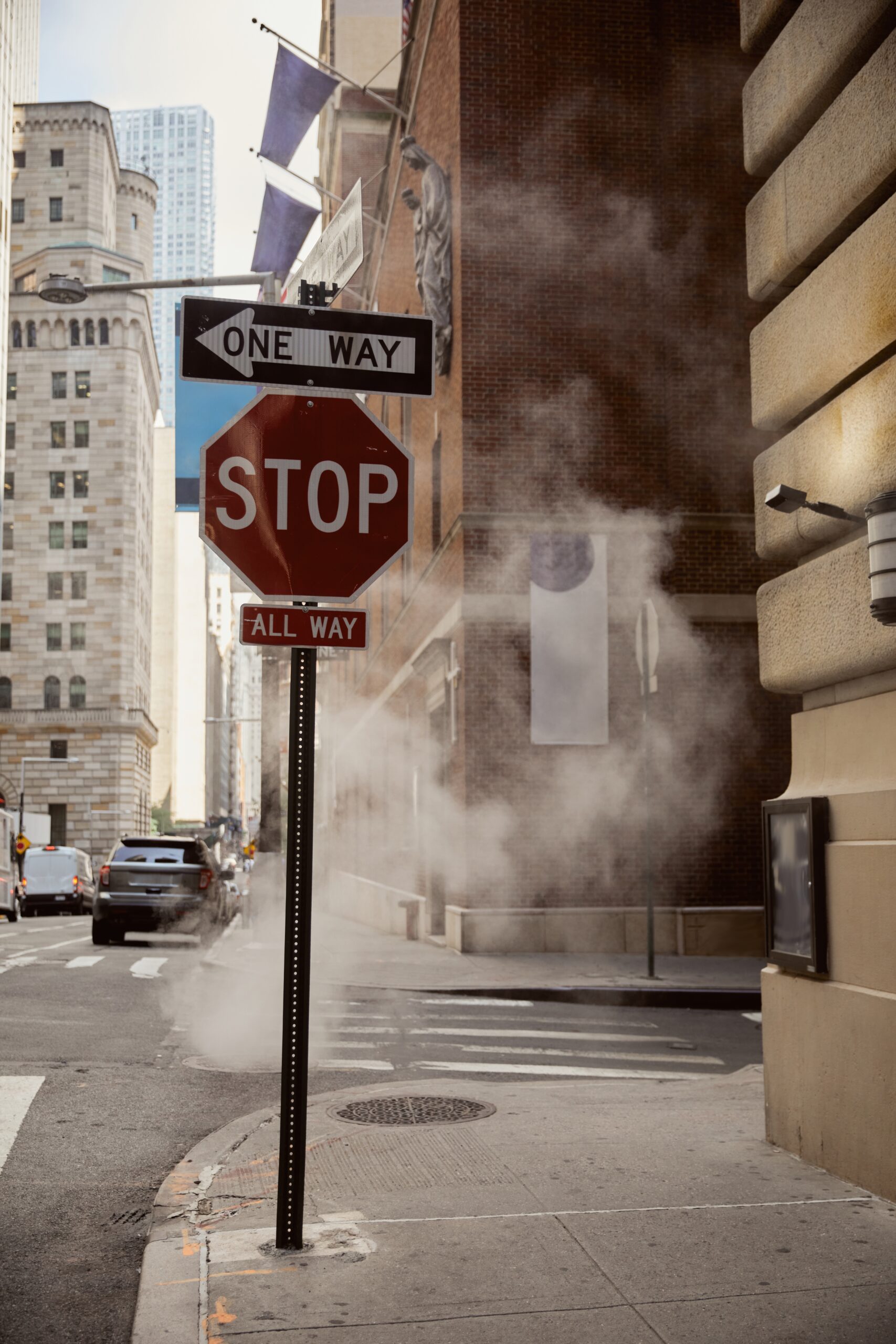
Finding street parking in NYC is one of the most universally shared struggles among drivers. It doesn’t matter how long you’ve lived here—everyone has had moments of circling the block endlessly, debating whether a curb is legal, or relying on “street wisdom” that a friend swears is true. The truth is, many NYC parking decisions are shaped by myths that sound believable but often lead to costly fines.
If you’re figuring out how to find street parking in NYC, understanding these myths can save time, money, and frustration. And while the SNAG street parking app helps by connecting a community of drivers—those who are leaving a spot and those who need one—the responsibility of following NYC parking rules still falls on the driver. Snag makes the exchange easy: parking for the seeker, cash for the vacator. But knowing the real rules ensures you don’t take a spot that turns out to be a ticket trap.
This guide breaks down the biggest misconceptions, the realities behind them, and how using a community-driven street parking app like SNAG helps you avoid the desperate choices that often result in tickets.
“Double Parking is Okay If You Stay in the Car” – A Common NYC Parking Myth
This is one of the most widespread and harmful myths in New York City. Many drivers believe that as long as they remain behind the wheel, double parking is somehow allowed. The logic usually sounds like this:
- “I’m right here, I won’t get a ticket.”
- “I’m just waiting.”
- “Everyone does it—it must be fine.”
But the truth is direct and non-negotiable: double parking is illegal for passenger vehicles, whether you stay in the car or not.
Staying in the driver’s seat doesn’t make the vehicle legal. It doesn’t matter if your engine is running or if your stop is brief. Passenger cars do not have privilege when it comes to blocking travel lanes. Enforcement officers can and do issue tickets for this, especially in high-traffic areas where NYC driving apps often show congestion.
Why does this myth last? Because it feels convenient. When you can’t find parking, waiting double-parked seems harmless. But one ticket can cost far more than what you would have earned by using a parking app NYC like SNAG to connect with a driver about to leave a legal spot. With SNAG, you replace risky guessing with a real, legal space that someone in the community is ready to vacate.
“Metered Parking is Free on Holidays… Always?” – Why NYC Parking Rules Still Apply
New Yorkers love the idea that holidays equal parking freedom. The assumption goes:
“If it’s a holiday, I don’t have to pay the meter.”
Unfortunately, this belief leads to a huge number of avoid parking tickets NYC violations every year.
Only certain official NYC holidays suspend metered parking.
Not every federal or cultural holiday qualifies. Some holidays suspend alternate-side parking NYC but still require meter payment. Others suspend meter rules but keep alternate-side rules active. Some days suspend neither.
A driver using SNAG may take over a legal metered spot from someone vacating it, but the rules of that block still apply, holiday or not. If the meter requires payment and you skip it believing “holiday = free,” a ticket becomes almost guaranteed.
The solution is simple: always check the meter signs directly. They clearly state which holidays apply and which do not. If the sign doesn’t explicitly say a holiday is free, assume you must pay.
SNAG’s Role in Busting Myths (Without Extra Features) – How a Street Parking App Helps
SNAG Parking stays intentionally simple because that’s what makes it powerful. It does one thing extremely well:
It connects a community of drivers who trade legal street parking NYC spots.
If you’re leaving, you can earn cash.
If you’re arriving, you can take over a legal spot someone is ready to vacate.
That’s the entire model—no alerts, no enforcement tools, no rule interpretation. Just community helping community.
Here’s how that model naturally reduces parking mistakes, even without adding any extra features:
- You Spend Less Time Circling With a Street Parking App
Most bad decisions come from stress and time pressure. Being late pushes drivers into double parking or taking questionable spots. Using a real-time parking app like SNAG, you line up a spot directly from another driver. This reduces the frantic, last-minute choices that turn into tickets.
- You’re Starting With a Legal Spot Using SNAG Street Parking App
SNAG doesn’t point to random curbs or unverified spaces. It connects you to someone who is already parked legally and is leaving. You still must read the signs, but you start with a spot that someone else successfully parked in.
- You Avoid Temptation Zones That Cause NYC Parking Problems
Without SNAG, drivers often wait near hydrants, corners, or school zones hoping for an opening. Those areas are common myth hotspots. SNAG eliminates the need to hover around questionable curbs because you’re focused on connecting with someone who has a real spot to offer.
- Community Behavior Drives Better Outcomes in Real-Time Parking Apps
SNAG creates a culture of cooperation. The vacator benefits by getting paid; the seeker benefits by getting a reliable spot. Fewer frantic hunts mean fewer risky assumptions, and fewer risky assumptions mean fewer tickets.
Real Myths That Result in Real Fines – What NYC Parking Finder Apps Can’t Fix
NYC parking rules are famously complex, and many myths exist because someone once got lucky betting against the rules—or because a rule changed and old information kept spreading.
Below are myths that consistently lead drivers into expensive trouble:
“No Sign Means It’s Free Parking” – A Myth That Leads to Avoid Parking Tickets NYC
A block without signs does not automatically mean restrictions don’t apply. Some blocks use default city regulations, some signs are further up the pole, and some curbs have faded or missing signage.
If you take over a spot from a SNAG vacator, take 10 seconds to walk the curb and double-check signs. It’s the easiest protection against tickets.
“Hydrant Distance Only Matters During Busy Hours” – A Costly NYC Parking Mistake
Many drivers believe late nights or early mornings are safe for parking closer to hydrants. This is false. The 15-foot rule is enforced 24 hours a day, seven days a week. It’s one of the most predictable and easy tickets to issue.
If a SNAG user offers a spot near a hydrant, you must verify it’s a legal distance.
“School Zones Don’t Apply When School is Closed” – Why NYC Parking Rules Don’t Pause
School-zone rules are often misunderstood. Some apply only during school hours; others extend into evenings or weekends depending on signage. You can’t rely on assumption—only on the posted hours.
If you take a spot through SNAG near a school, check the signs carefully.
“Standing and Parking Are Basically the Same Thing” – A Myth Everyone Gets Wrong
They are not. “No standing” means no waiting. “No parking” means no leaving your car unattended. These nuances often trip up even experienced NYC drivers.
SNAG helps you get a spot, but you must understand what each sign means once you park there.
How to Use SNAG and Still Avoid Parking Tickets – Smarter Ways to Find Parking NYC
SNAG helps you with the hardest part: finding a real street parking spot from someone who is leaving it.
But avoiding NYC parking tickets requires pairing SNAG with good parking habits.
Here’s how to use SNAG effectively:
- After taking over a SNAG spot, walk the block and read every sign.
- Never assume a holiday suspends meter rules.
- Don’t double park while waiting for a vacator—find a legal waiting area nearby.
- If a spot near a hydrant looks too close, don’t risk it.
- Pay attention to school-zone times when accepting a spot near a school.
- Avoid relying on “rules” someone casually told you—NYC signage is the final authority.
SNAG connects you to legal spots and reduces the need for dangerous shortcuts—but knowledge of NYC parking laws keeps you safe from fines.