
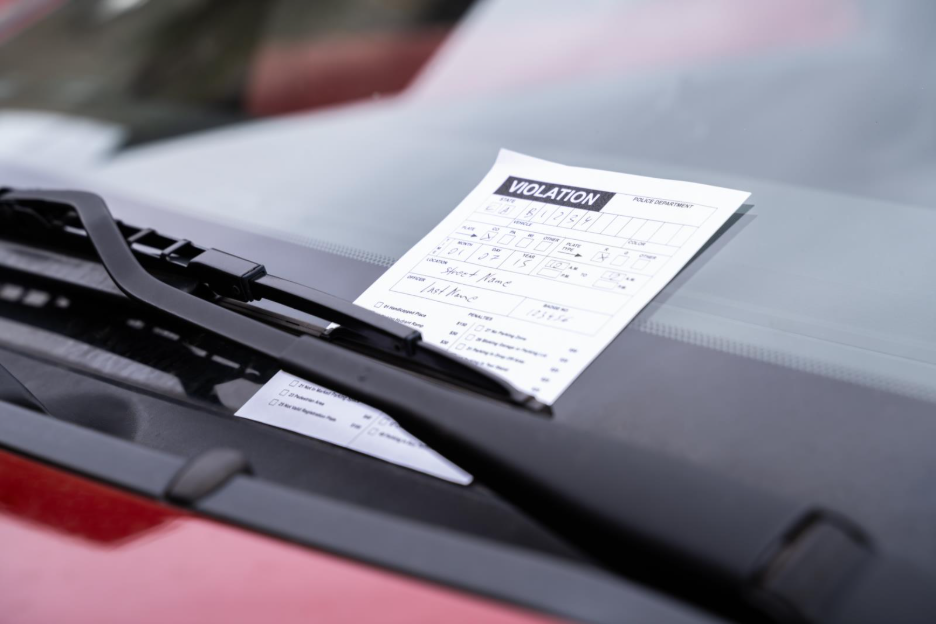
If you drive in New York City, parking tickets aren’t an “if.” They’re a when. Even seasoned NYC drivers rack up parking tickets NYC every year, often for violations they didn’t realize they were committing until the envelope hit their windshield.
In 2026, avoiding parking tickets in NYC is less about luck and more about understanding how parking enforcement NYC actually works, where drivers slip up most, and how to find street parking in NYC without panic. Rules haven’t gotten simpler, signage hasn’t gotten clearer, and enforcement certainly hasn’t slowed down.
This survival playbook breaks down the most common NYC ticket traps, what parking enforcement really watches for, which neighborhoods carry the highest risk, and how using smarter tools like a parking app NYC drivers trust — including Snag — can help reduce your chances of getting ticketed in the first place.
Why NYC Parking Tickets Are Still a Daily Reality in 2026
New York City continues to issue millions of parking tickets each year, generating hundreds of millions in revenue. While digital tools and NYC driving apps have modernized some aspects of parking, the enforcement system itself remains rigid, rule-based, and unforgiving.
In 2026, drivers still face:
- Block-by-block rule changes
- Overlapping and layered signage
- Time-based restrictions that shift throughout the day
- Zero tolerance for “just a few minutes”
The system is designed for efficiency, not flexibility. That means the burden of accuracy falls entirely on the driver navigating NYC parking and street parking rules.
Avoiding tickets starts with knowing where mistakes are most likely to happen.
Most Common Parking Ticket Traps in NYC (Still Catching Drivers in 2026)
Despite years of complaints, the same violations continue to dominate parking violations NYC data.
Alternate Side Parking (ASP) Violations
ASP remains the most common ticket citywide. Drivers misread schedules, forget about partial suspensions, or assume rules are lifted when they aren’t. In 2026, ASP enforcement is still highly predictable, and unforgiving.
Fire Hydrant Violations in NYC
Parking too close to a hydrant is one of the fastest ways to get ticketed. Even experienced drivers misjudge distance, especially on crowded blocks with limited street parking.
School Zone Parking Violations
School zones continue to be a major ticket source. Rules vary by location and time, and signage is often unclear. Parking outside “normal” school hours does not guarantee safety.
Commercial and Loading Zone Violations
These zones flip legality depending on the hour. A perfectly legal evening spot can become ticket able early the next morning.
Expired Meter or Overstay Tickets
Meter enforcement remains strict. There are still no grace periods, and digital meters haven’t changed enforcement tolerance.
Most drivers don’t get ticketed for being reckless, they get ticketed for being rushed or uncertain.
What NYPD and Parking Enforcement Actually Look for in 2026
Parking enforcement in NYC isn’t random, and it isn’t reactive. Officers follow routines.
In 2026, parking enforcement NYC continues to focus on:
- Blocks with historically high violation volume
- Streets near transit hubs, hospitals, schools, and offices
- Time windows when specific rules activate
- Locations where signage is technically compliant, even if confusing
Officers aren’t waiting to “catch” drivers, they’re executing known schedules. This is why stopping “just for a minute” is so risky. Enforcement already knows when violations will occur.
High-Risk Neighborhoods for Parking Tickets in 2026
Some areas consistently carry higher ticket risk than others.
Manhattan: Highest-Risk Area for Parking Tickets
Midtown, Lower Manhattan, and dense commercial districts remain the highest-risk areas. Enforcement density is high, and turnover rules are strictly applied.
Brooklyn: Dense Zones With Frequent Ticketing
Downtown Brooklyn, Williamsburg, and neighborhoods near major subway hubs see frequent ticketing, especially during weekday hours.
Queens: Mixed-Use Areas With Enforcement Peaks
Ticket risk increases significantly near schools, commercial corridors, and mixed-use zones, particularly during morning and afternoon windows.
High-risk doesn’t mean impossible, but it does mean precision matters when choosing street parking NYC.
Avoiding School Zone and Fire Hydrant Tickets in 2026
These two violations alone account for a massive portion of avoidable tickets.
School Zones: Why Enforcement Is Strict
In 2026, school zone rules are still highly location-specific. If signage references school days or school hours, assume enforcement applies unless explicitly stated otherwise.
Fire Hydrants: Zero-Tolerance Ticket Areas
NYC still requires vehicles to park at least 15 feet away from a fire hydrant. This applies even if:
- You’re sitting in the car
- Traffic is light
- You plan to move quickly.
Hydrant tickets are easy to issue and aggressively enforced.
Holiday Parking Rules: Still Confusing in 2026
Many drivers continue to assume holidays suspend parking rules. That assumption remains costly.
While some holidays suspend alternate side parking, most other rules remain active, including:
- Fire hydrants
- Meters
- School zones
- Commercial restrictions
Misreading holiday rules remains one of the most common causes of “surprise” parking tickets NYC.
Why Rushed Parking Decisions Lead to Tickets
One of the biggest contributors to parking tickets isn’t ignorance—it’s desperation.
When drivers spend too long trying to find street parking in NYC, they’re more likely to:
- Ignore layered signage
- Park in unclear zones
- Rationalize risky spots
- Skip double-checking rules
The longer you circle, the worse your judgment becomes. This is where urban parking problems compound into enforcement risk.
Avoiding tickets often has less to do with memorizing rules and more to do with reducing pressure while parking.
How Snag Helps Reduce Parking Ticket Risk in 2026
Snag doesn’t change NYC parking laws, but it helps drivers avoid the behavior that leads to tickets.
By reducing endless circling and blind searching, Snag helps drivers:
- Park faster
- Make calmer decisions
- Choose clearer, less risky spots
- Avoid last-second parking compromises
Used as a street parking app and real-time parking app, Snag supports more deliberate parking choices. When drivers aren’t panicked to stop driving, they’re more likely to read signs carefully and park intentionally.
Snag helps shift parking from reactive to deliberate, and that alone lowers ticket probability.
A Smarter Street Parking Strategy for NYC in 2026
Experienced NYC drivers don’t rely on luck. They rely on strategy.
Instead of:
“I’ll just find something when I get there”
They think:
“I’ll park where rules are clearer and risk is lower”
That mindset includes:
- Avoiding high-enforcement windows
- Choosing residential blocks with consistent signage
- Reducing circling time as much as possible
Snag supports this approach as part of broader car parking solutions NYC drivers use to reduce stress and risk.
Park Smarter, Not Riskier
In 2026, avoiding parking tickets in NYC isn’t about memorizing every rule, it’s about reducing pressure, making informed decisions, and parking with intention.
When drivers stop circling endlessly and start choosing smarter spots, ticket risk drops naturally. Tools like Snag help make that shift possible by reducing guesswork and helping drivers find parking faster.
Because the best way to avoid a ticket isn’t luck.
It’s parking smarter from the start.
Frequently Asked Questions About NYC Parking Tickets
What’s the most common NYC parking ticket in 2026?
Alternate side parking violations continue to be the most common ticket issued across the city.
Are holiday parking rules different in NYC?
Some holidays suspend alternate side parking, but most other rules still apply. Always verify before parking.
How far must you park from a fire hydrant in NYC?
You must park at least 15 feet away from a fire hydrant at all times.