
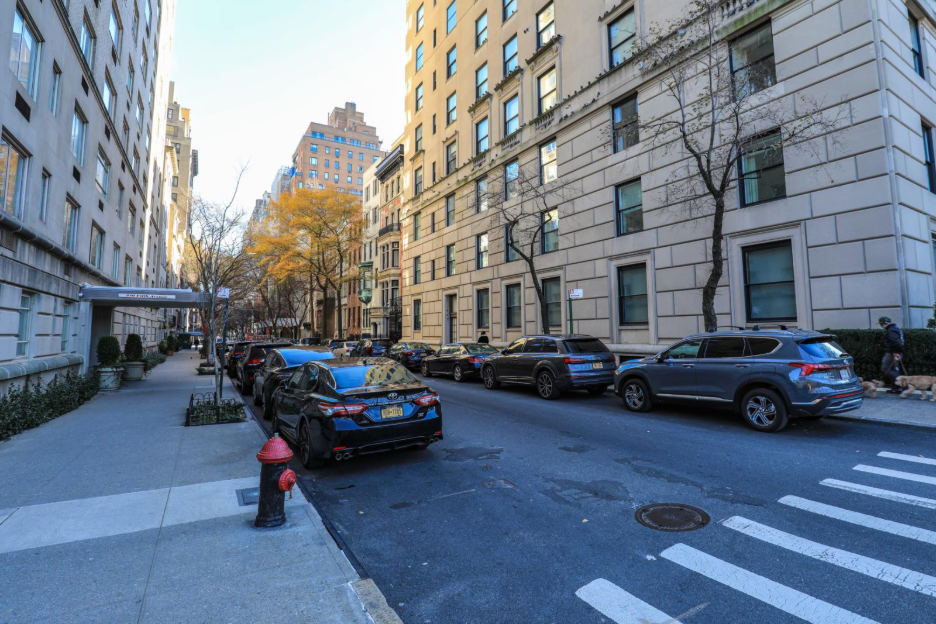
Alternate-side parking NYC is one of those systems everyone thinks they understand, until they get ticketed. It’s not that the rules are secret. It’s that they’re layered, time-based, neighborhood-specific, and unforgiving if you miss even one detail of the ASP NYC rules.
For locals, alternate-side parking (ASP) becomes a weekly ritual. For new drivers, visitors, and even long-time residents switching neighborhoods, it’s a constant source of anxiety. One missed move can mean a ticket. Two missed moves can mean towing and an expensive lesson in NYC parking rules.
If you’ve ever searched “alternate-side parking NYC” in a panic while checking the clock, this guide is built for you. This is a clear, practical breakdown of how ASP actually works in 2026, and how street parking tools like a street parking app such as SNAG help drivers reduce stress without trying to replace the rules themselves.
Full Alternate-Side Parking NYC Rule Breakdown (ASP NYC Rules Explained)
At its core, alternate-side parking exists for one reason: street cleaning.
On designated days and times, vehicles must move to allow sanitation crews to clean one side of the street. During those windows, parking is illegal on the restricted side, even if you’re “just for a minute.”
Here’s what matters most:
Alternate-side rules are posted block by block, not citywide. Two adjacent streets can have completely different schedules. Some streets clean once per week, others twice, and a few high-traffic areas even more frequently.
ASP rules usually specify:
• The side of the street affected
• The day(s) of the week
• The exact time window
If your car is parked on the restricted side during that window, it is ticketable under parking enforcement NYC guidelines, even if you’re sitting inside the vehicle in most cases.
Many drivers assume they can double-park briefly during cleaning and return once the sweeper passes. While this sometimes works in practice, enforcement varies, and tickets are still issued if officers arrive before the sweeper leaves.
For common misunderstandings around these NYC parking rules, the Parking Rule Myths blog explains why assumptions often backfire and lead drivers to try to avoid parking tickets NYC the hard way.
Which NYC Neighborhoods Sweep When Under Alternate-Side Parking
One of the most confusing aspects of alternate-side parking NYC is that schedules are not uniform.
Neighborhood patterns exist, but they’re not guarantees.
For example:
• Residential neighborhoods often have one or two ASP days per week
• Commercial corridors may have stricter enforcement
• Mixed-use streets can change schedules block by block
• High-density areas tend to enforce more aggressively
Manhattan generally has more frequent ASP than outer boroughs, but that doesn’t mean Queens, Brooklyn, or the Bronx are easier. In many quieter neighborhoods, enforcement is less predictable, which can make street parking NYC more confusing, not less.
Drivers who move between neighborhoods for work are especially vulnerable. A schedule that works in one area can lead to a ticket just a few blocks away.
This is why experienced drivers don’t rely on memory alone. They check signage every time, and increasingly, they rely on real-time parking app to understand what’s happening right now, not just what the sign says in theory.
Why Drivers Forget Alternate-Side Parking NYC (And How to Avoid Tickets)
Forgetting ASP isn’t about carelessness. It’s about cognitive overload.
Drivers forget because:
• ASP doesn’t happen daily on every street
• Schedules change after holidays
• Time windows vary
• Life interrupts routines
Many tickets happen not because drivers didn’t know about ASP, but because they knew generally and missed a specific detail, a shifted holiday listed on the NYC DOT ASP calendar, a different time window, or a new block with unfamiliar rules.
This is especially common for:
• People working hybrid schedules
• Drivers who park overnight
• Residents returning from trips
• Anyone juggling multiple neighborhoods
Once a routine breaks, ASP becomes easy to forget especially when trying to find parking NYC quickly before work or an appointment.
This is why street parking stress spikes the night before cleaning days. Drivers start questioning whether they parked legally and whether they remembered the right schedule.
What Happens If You Don’t Move Your Car During ASP in NYC
The consequences of missing alternate-side parking depend on timing and location, but they’re never pleasant.
At minimum, you’re looking at a ticket. In many areas, enforcement officers patrol ASP routes consistently and ticket quickly once the restriction window opens under parking enforcement NYC schedules.
In more aggressive zones or repeat-offense areas, vehicles may also be towed, especially if they obstruct cleaning or remain through multiple cycles.
The bigger issue is compounding stress:
• Lost time dealing with tickets
• Extra driving to relocate
• Gas wasted circling
• Anxiety about repeat violations
Missing ASP once often leads to overcorrection, drivers moving too early, double-parking unsafely, or spending excessive time hunting for new spots while trying to avoid parking tickets NYC again.
This is where NYC parking becomes emotionally exhausting, not just inconvenient.
How Drivers Manage Alternate-Side Parking Long-Term in NYC
Over time, NYC drivers develop personal systems to manage alternate-side parking.
Some plan their week around cleaning days. Others intentionally park on streets with fewer ASP restrictions. Many schedule errands or commutes to align with cleaning windows.
The most effective drivers combine:
• Sign awareness
• Neighborhood knowledge
• Timing patterns
• Real-world observation
They don’t just ask “What does the sign say?”
They ask “How does this street usually behave?”
That’s where modern street parking apps come in, not to replace the rules, but to add context to them and support smarter car parking solutions NYC drivers rely on daily.
How SNAG Helps Minimize ASP Panic With a Real-Time Street Parking App
SNAG doesn’t change alternate-side parking rules. It doesn’t override signage or enforcement. What it does is reduce uncertainty.
By focusing strictly on street parking NYC, SNAG helps drivers:
• Understand street activity around ASP windows
• Anticipate when spots open after cleaning
• Reduce unnecessary circling
• Lower the stress of last-minute decisions
Instead of reacting in panic when ASP starts, drivers can approach it strategically, positioning themselves near likely openings rather than scrambling blindly to find parking NYC at the last second.
This is especially helpful for drivers unfamiliar with a neighborhood or returning after time away.
For newer drivers wondering how to find street parking in NYC confidently, the Street Parking Beginner’s Guide offers foundational strategies to build confidence from day one.
Using the NYC DOT ASP Calendar (And Its Limitations)
The official NYC DOT ASP Calendar remains the authoritative source for suspension days, including holidays and special events. Every driver should reference it regularly, especially around federal and city holidays.
However, the calendar doesn’t answer practical questions like:
• When does enforcement actually start on my block?
• How fast do spots refill after cleaning?
• Which nearby streets clear first?
That’s where lived experience, and a focused parking app NYC drivers trust — fills the gap between policy and reality.
FAQs About Alternate-Side Parking NYC
What days is alternate-side parking suspended?
ASP is typically suspended on major holidays and during certain emergency conditions. Always confirm using the official NYC DOT ASP Calendar, as suspension schedules can change year to year.
How early should you move a car for ASP?
Most drivers move their car shortly before the restriction window begins. Moving too early can create unnecessary stress, while moving too late risks a ticket.
Does alternate-side parking apply on Sunday?
In most areas, ASP does not apply on Sundays. However, there are exceptions on certain streets, so signage should always be checked.
Final Thought: Mastering Alternate-Side Parking NYC by Reducing Uncertainty
Alternate-side parking NYC isn’t about memorizing rules, it’s about managing uncertainty.
The drivers who handle ASP best aren’t the ones who never get confused. They’re the ones who reduce last-minute panic by understanding patterns, planning ahead, and using tools that reflect how streets actually function.
With the right approach, and the right street parking app, you stop reacting to ASP and start anticipating it.
And once you do that, alternate-side parking stops feeling like a threat and starts feeling like just another part of city life you’ve learned to handle.
Download the app now.