
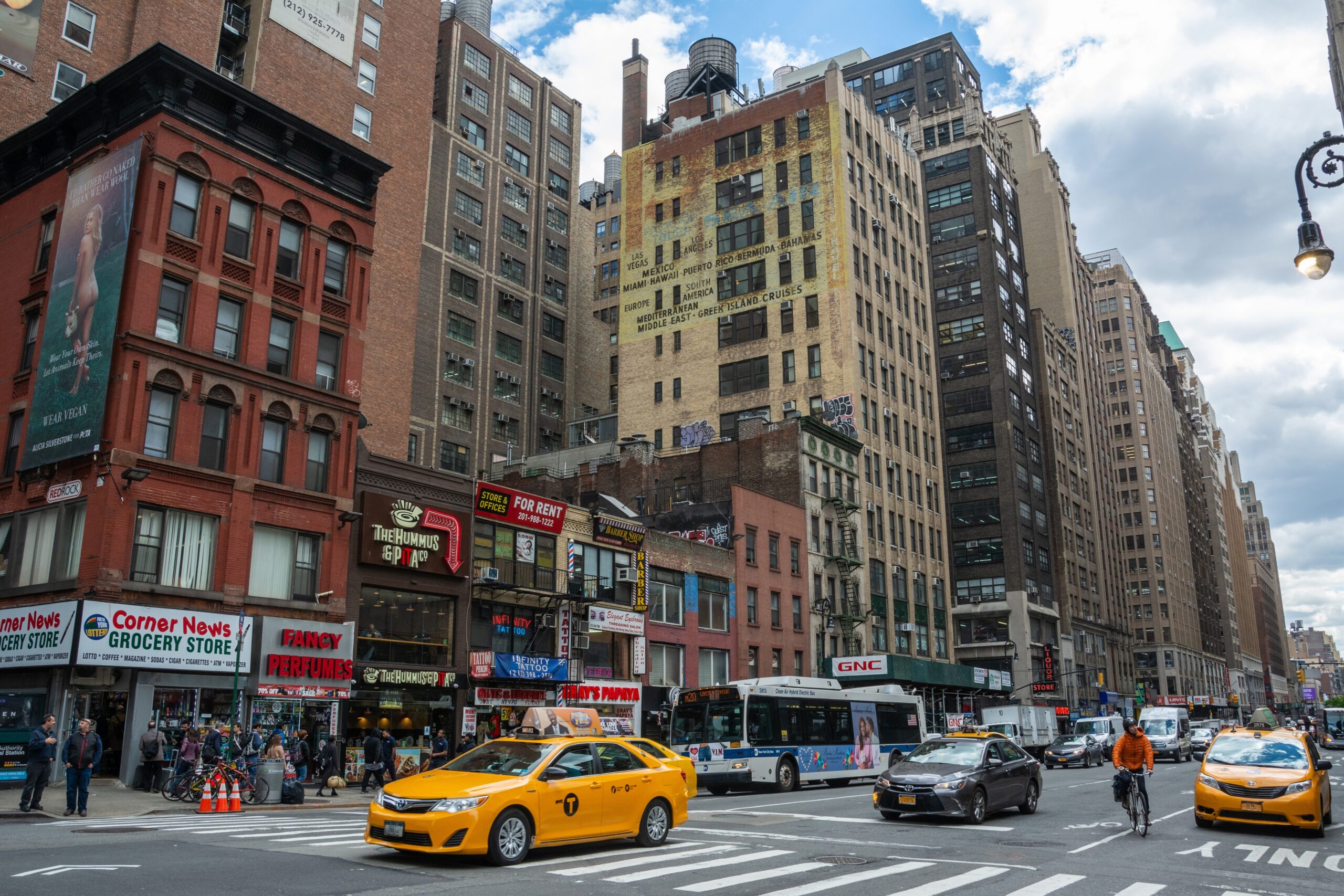
New York City’s parking landscape is one of the most complex in the world. Between crowded blocks, inconsistent curb rules, endless circling, and rising congestion, the challenge isn’t just finding a spot, it’s navigating the urban systems that make parking harder every year. That’s why conversations about urban parking problems and car parking solutions NYC planners can rely on increasingly center around community-driven platforms, shared mobility, and smarter ways to use existing space.
While many cities chase expensive hardware, sensors, cameras, smart meters, NYC has an opportunity to empower people themselves. That’s where SNAG street parking app fits in. By helping drivers exchange real, legal street parking spots directly, SNAG reduces circling, cuts emissions, and supports a greener, more efficient city, without requiring new infrastructure. It also becomes a practical alternative for drivers searching for parking app NYC options or trying to find parking NYC during peak hours.
Below, we explore what makes parking “smart,” how community-driven models contribute to solving urban parking problems, and why platforms like SNAG represent the future of adaptive, citizen-powered mobility.
What Makes Parking “Smart”?
When people think “smart parking,” they often picture high-tech systems: curb sensors, license-plate recognition, dynamic pricing, or fully automated garages. In reality, smart parking is defined by something far simpler:
A system that reduces search time, improves street efficiency, and helps drivers use parking more responsibly — whether they’re using a street parking app, a real-time parking app, or a full municipal system.
Whether the tools are hardware-heavy or community-driven, “smart” solutions share three goals:
- Reduce Circling
NYC.gov notes that a major percentage of local traffic is caused by drivers circling for parking. Various studies, including several referenced through DOT and academic papers, estimate circling can contribute up to car circling parking stats NYC levels of 30% of urban congestion in dense neighborhoods.
Smart systems reduce that waste by shortening the time between searching and parking.
- Improve Curb Utilization
This means making better use of existing curb space, without requiring new lots. NYC can’t easily build more parking; it must maximize what it already has. Better curb efficiency benefits drivers searching NYC parking or street parking NYC without competing for the same congested areas.
- Lower Emissions
Less circling = fewer miles = lower CO₂ output. Even a small reduction at scale makes measurable impact.
- Increase Driver Certainty
A major cause of illegal parking and tickets is uncertainty. Smart platforms help reduce guesswork — even if they don’t enforce rules or read them automatically — and keep frustrated drivers from resorting to risky decisions that lead to avoid parking tickets NYC issues.
SNAG fits into this category because it:
- leverages real drivers to share real-time spot availability
- reduces the chaos of blind searching
- lowers unnecessary time on the road
- encourages cleaner, greener behavior by design
It’s a human-driven approach to smart parking, simple, scalable, and impactful.
SNAG’s Urban Impact Metrics (Community-Driven, Not Sensor-Based)
Unlike sensor-heavy solutions, SNAG makes parking smarter through one powerful concept:
Drivers who are leaving a spot can directly help drivers who need one.
This simple exchange can produce measurable citywide improvements and reduces reliance on NYC driving apps that only estimate availability rather than confirming it.
- Reduced Circling Time
When seekers go directly to a confirmed departing driver, they eliminate multiple looped blocks. That means:
- fewer cars clogging narrow streets
- lower bus delays
- safer pedestrian crossings
Even small reductions in circling ripple across neighborhoods, positioning SNAG as one of the most efficient car parking solutions NYC offers.
- Cleaner Streets, Lower Emissions
Every avoided mile of circling prevents tailpipe emissions. In high-density areas (Manhattan, Downtown Brooklyn, LIC), small behavioral shifts create major environmental gains.
- Better Use of Existing Curb Space
Since SNAG only connects people to real, legal, in-use parking spots, it improves curb turnover without requiring new infrastructure — a valuable complement to typical NYC parking finder tools.
- Reduced Illegal Parking Pressure
Drivers circling too long often resort to risky behaviors:
- hydrant creeping
- double parking
- “just one minute” in no-standing zones
By giving drivers a path to a real spot, SNAG reduces these desperation habits, helping the city operate more smoothly.
SNAG’s impact is quiet but meaningful: community coordination becomes a tool for urban improvement.
Heatmaps, Sensors & Efficiency: How SNAG Complements (Not Replaces) Tech-Heavy Approaches
When cities talk about “smart parking,” they typically refer to technologies such as:
- curbside occupancy sensors
- LPR (License Plate Recognition) monitoring
- dynamic meter pricing
- congestion cameras
- demand-based heatmaps
These systems are powerful—and expensive. They require citywide installation, long-term maintenance, and political support. Not every neighborhood gets the same investment, and not every borough benefits equally.
Where SNAG Fits
SNAG does not use sensors, LPR, alerts, or city infrastructure. Instead, it complements these systems by filling a major gap:
NYC lacks a scalable way for drivers themselves to coordinate parking turnover in real time.
Tech-based systems tell you where space might be available.
SNAG tells you where someone is actually leaving — making it a powerful real-world alternative to apps marketed as apps to find parking near me or app to share parking spots.
This is a critical difference. It’s human data—not predicted, but guaranteed by behavior.
Why This Matters
- Sensor networks show occupancy, not departure timing.
- Heatmaps predict patterns, not individual opportunities.
- Enforcement tech discourages illegal parking, but doesn’t help anyone find a legal space.
SNAG adds an element that technology cannot replicate: community-driven coordination.
“Smart Streets” Need Both
Cities that thrive combine:
- institutional infrastructure
- community participation
- shared mobility platforms
- behavior-based solutions
SNAG plays in the last category—helping cities run better by mobilizing the people already driving in them.
The Future of Smart Streets
NYC’s parking ecosystem is evolving fast, shaped by:
- rising vehicle ownership
- climate goals
- shrinking curbs (due to bike lanes, loading zones, outdoor dining)
- increased traffic enforcement
- the push for sustainable mobility
Smart streets of the future will be defined not just by sensors and tech, but by coordination, transparency, and community-powered efficiency.
Here’s what the next decade looks like:
- Shared Mobility Over Static Ownership
Cars will still exist, but their behavior on streets will be more coordinated. Platforms like SNAG help treat parking as a shared, cooperative activity rather than a competitive scramble — and a real alternative to any best parking app that relies on prediction only.
- Real-Time Curb Ecosystems
Every curb has a purpose: residential, commercial, pickup/dropoff, dining, EV charging. Smart platforms help drivers use these zones correctly.
- Community Data as a Climate Tool
Every time SNAG prevents circling, NYC benefits from:
- fewer emissions
- safer intersections
- smoother traffic flow
This extends beyond simple navigation, giving SNAG an edge over typical NYC driving apps that don’t influence street behavior at scale.
- Expansion of User-Driven Spot Exchanges
Cities worldwide—San Francisco, Boston, Toronto, Chicago—face the same challenges. Community-powered parking exchange is becoming a global solution.
SNAG represents a scalable, accessible model that any dense city could adopt.
FAQs
Does SNAG predict ticket risks or read parking signs?
No. SNAG simply connects drivers. Users must follow NYC parking rules independently — especially important when dealing with urban parking problems and avoid parking tickets NYC situations.
Does SNAG use sensors, alerts, or LPR?
No. SNAG is entirely community-driven—people to people, spot to spot.
Does using SNAG help reduce emissions?
Yes. Less circling = less driving = lower carbon output.
Is SNAG a guaranteed parking solution?
It guarantees the connection—not the legality of the spot. Drivers must still check signs, just as they would when using a parking app or street parking app.