
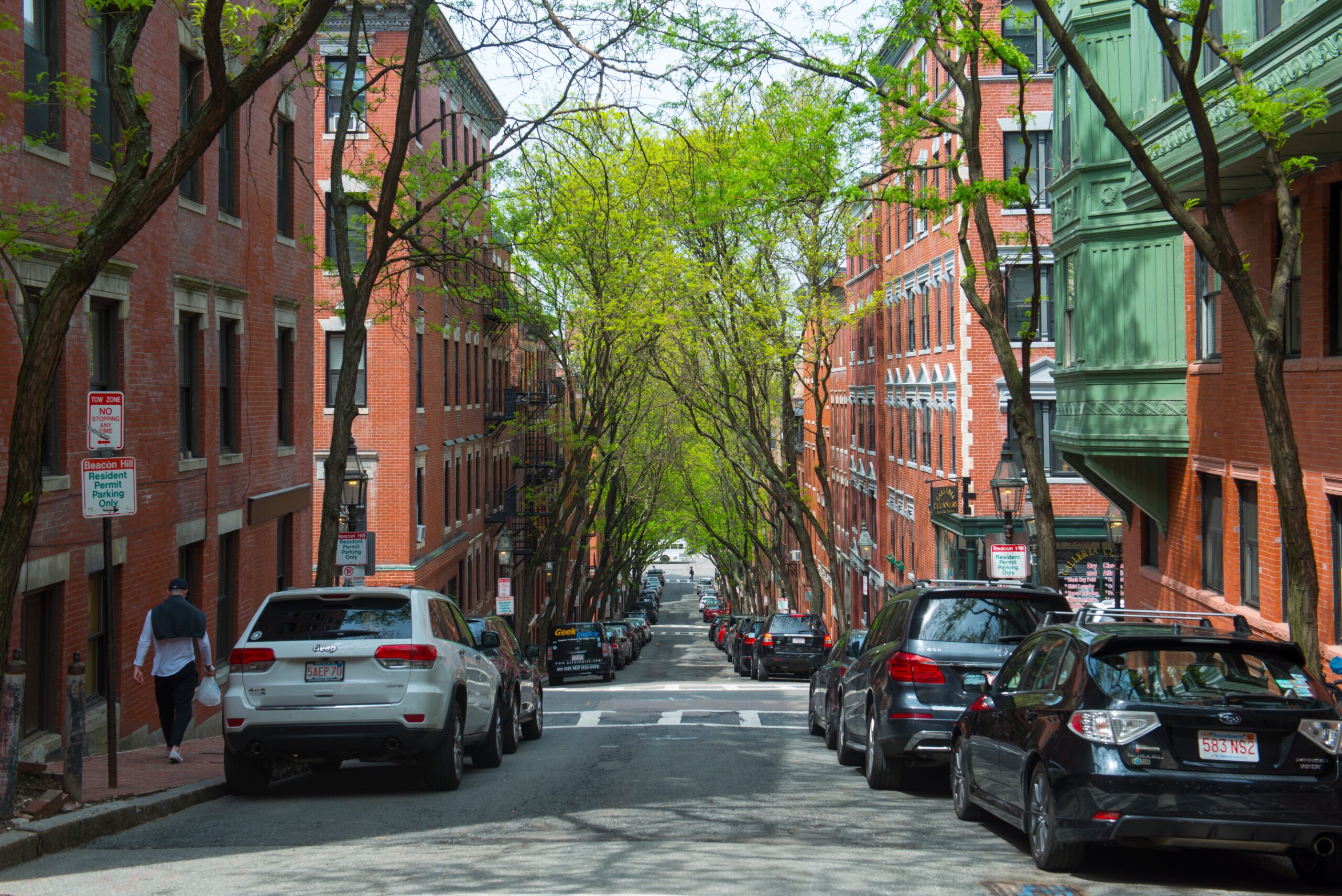
Finding street parking NYC isn’t about luck, confidence, or circling longer than everyone else. It’s about understanding the city’s rhythms, learning where NYC parking rules quietly change, and knowing how locals think about parking long before they ever pull up to a block.
Tourists believe parking in NYC is impossible. Locals know it’s just misunderstood.
If you’ve ever searched for an NYC parking finder while double-parked with your blinkers on, this guide exists for you. These are the NYC street parking tips New Yorkers learn slowly over years, and how tools like SNAG, built specifically for NYC street parking, help shortcut that learning curve.
This is not about garages. This is not about paid lots. This is about finding legal street parking NYC in one of the most aggressive parking cities in the world and understanding why no single “best parking app” works without strategy.
How Locals Memorize No-Parking Zones and NYC Parking Rules
One of the biggest misconceptions about NYC parking is that everyone reads signs every time. Locals don’t.
They memorize entire blocks.
After driving the same neighborhoods repeatedly, New Yorkers develop mental maps:
• Which streets flip sides twice a week
• Which blocks look legal but never are
• Where temporary signs usually pop up
• Which corners get ticketed first
Instead of scanning every sign, locals recognize patterns. They know which streets are “safe bets” and which ones are permanent traps. That’s why visitors often get ticketed on blocks where locals never park, even when the signage looks similar.
NYC parking signs are stacked, overlapping, time-based, and often contradictory. One missed detail can mean a ticket within minutes. If you want to understand why so many drivers misread them, this guide on Decoding Street Parking Signs explains why NYC signage is uniquely unforgiving.
SNAG helps by reducing reliance on memory alone. Instead of guessing whether a block is viable, drivers using a street parking app can see street-level availability and activity patterns in real time.
Weekend vs Weekday Street Parking in NYC: Two Completely Different Games
Street parking in NYC changes drastically depending on the day.
Weekday parking is a strategy game.
Weekend parking is an opportunity game.
Weekday Street Parking Strategy in NYC
During the week, alternate side parking rules dominate. Locals plan their arrival times around street cleaning schedules, often waiting nearby as soon as restrictions lift. Some even track which side of the street clears faster depending on enforcement habits.
Weekday parking success comes from:
• Knowing cleaning schedules by heart
• Understanding enforcement timing
• Predicting when commuters leave
• Avoiding mid-day ticket sweeps
This is where understanding how to find street parking in NYC becomes more about timing than distance.
Weekend Street Parking Opportunities in NYC
Weekends unlock parts of the city that feel impossible Monday through Friday. Office-heavy neighborhoods empty out. Commercial restrictions loosen. Sundays, in particular, offer some of the best legal street parking NYC windows, if you know where to look.
Many drivers fail on weekends because they assume weekday rules still apply everywhere. Locals know better.
SNAG helps surface these shifts by showing which streets consistently open up during weekends based on real community behavior, not outdated assumptions. That’s what separates a smart NYC parking finder from generic tools.
How Drivers Use SNAG as a Real-Time NYC Parking Finder Instead of Circling
Here’s the real secret locals won’t always explain.
They don’t hunt for empty spots.
They hunt for movement.
Experienced NYC drivers position themselves near blocks where cars are likely to leave. They watch for patterns:
• Morning departures
• Evening turnovers
• Meal-time exits
• End-of-workday movement
Instead of endlessly circling to find parking NYC, they wait, sometimes just one street over, and move in as soon as a spot opens.
SNAG is designed around this exact behavior. Rather than only showing where parking exists at a single moment, it works like a real-time parking app, helping drivers understand where parking is about to exist.
Community updates and street activity allow drivers to anticipate openings, reducing wasted time and frustration. It’s the difference between chasing spots and predicting them, a practical example of modern car parking solutions NYC drivers actually use.
Cross-Street Strategies Most NYC Drivers Ignore
Most drivers make the same mistake: they stick to main roads.
Locals go deeper.
Cross streets are often:
• Less competitive
• Less heavily enforced
• More residential
• Higher turnover
Many ticketed cars sit just a few feet from legal parking because the driver didn’t walk half a block to verify signage on a quieter street.
Another local trick is checking cross streets that run parallel to major avenues. These streets often share similar schedules but attract far fewer drivers.
SNAG helps highlight these overlooked areas by focusing on street-level data rather than directing everyone to the same obvious blocks, something many broader NYC driving apps fail to do.
Why Outsiders Always Get Ticketed When Trying to Find Parking NYC
NYC parking tickets aren’t random. They’re predictable.
Most tickets happen because of:
• Misreading stacked signs
• Assuming rules are consistent citywide
• Ignoring time-based restrictions
• Parking too close to corners or hydrants
• Believing “everyone else parked here”
NYC enforcement is aggressive because it’s systematic. Officers know exactly which blocks generate tickets, and they return to those areas repeatedly.
Locals survive by assuming every sign is a trap until proven otherwise. Visitors assume signs are helpful — and that assumption alone costs them money.
If tickets are your biggest frustration, this guide on Avoiding Parking Tickets in NYC breaks down the most common mistakes drivers make.
The Myth of the “Best Parking App” for NYC Street Parking
There’s no single app that magically solves NYC parking.
Why? Because the city changes minute by minute.
What works is combining:
• Street-level data
• Timing awareness
• Community behavior
• Real-world patterns
That’s why searching for the “best parking app” often leads to frustration. A true parking app NYC drivers trust needs to reflect how street parking actually works — not just list garages.
SNAG isn’t trying to replace local knowledge, it’s amplifying it. Built strictly for NYC street parking, it reflects how drivers actually find spots: by watching movement, sharing updates, and learning from each other.
That’s what makes it feel like a purpose-built NYC parking finder, not just another generic tool.
Final Thought: Street Parking in NYC Isn’t Impossible — It’s Predictable
Street parking in NYC feels impossible until you realize it follows rules, just not obvious ones.
Locals don’t win by circling endlessly. They win by anticipating departures, understanding timing, and using shared knowledge. When you combine that mindset with a street-focused parking tool like SNAG, parking stops feeling chaotic and starts feeling strategic.
In New York City, the spot isn’t gone.
You just showed up without the playbook.
Download the app now.
FAQs About Finding Street Parking in NYC
What is the easiest borough for street parking?
Generally, Queens and parts of the Bronx offer more consistent street parking NYC options than Manhattan. That said, every borough has manageable areas if you understand local schedules and enforcement habits.
Do locals really use apps or just experience?
They use both. Experience helps, but even long-time drivers rely on tools like SNAG, a purpose-built street parking app to save time, adapt to unfamiliar neighborhoods, and avoid tickets when rules change unexpectedly.
How do SNAG’s community updates work?
Drivers share real-time street parking activity, helping others understand availability, enforcement patterns, and turnover timing. It’s shared local knowledge, constantly refreshed through a real-time parking app experience.